When you become a mom, you quickly realize something — babies have their own little ways of telling us they’re uncomfortable. Sometimes it’s a tiny sneeze, sometimes it’s extra crankiness, and sometimes we’re just guessing with our “mom gut.”
And honestly, that’s okay. None of us have it all figured out.
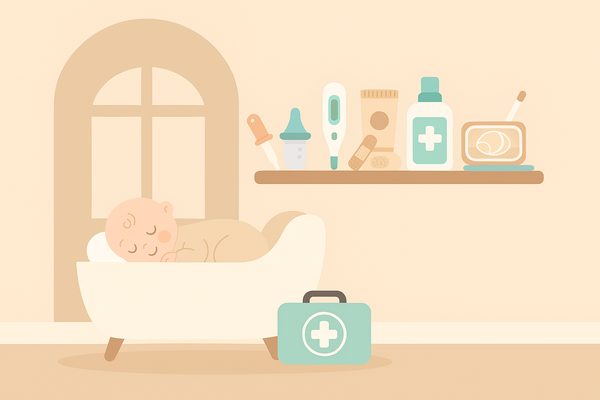
But one thing that really helps is being prepared at home with a few basics. These aren’t fancy, overwhelming items… just practical things that make those small health hiccups easier to handle. From one mom to another, here’s what’s truly worth keeping handy.
A Little Reassurance for New Moms
It’s completely normal for new moms to feel anxious at every tiny change. I remember worrying when my baby sneezed once and I was convinced it was a cold… or when her head felt a little warm and I thought it meant fever. But here’s the thing: babies sneeze a lot to clear their little noses, and their heads can feel hot just because of how their bodies control heat.
So mama, take a breath — not every sneeze or warm forehead means something is wrong. A quick check with a thermometer or your pediatrician’s guidance is more than enough. Trust that you’re doing your best, and your baby is just adjusting to the world.
1. A Simple Digital Thermometer
Fever is one of the first things we worry about as moms. Having a thermometer you trust makes everything easier.
Pick one that’s quick and gentle — underarm ones work well for babies.
It sounds basic, but during a midnight fever scare, this one thing saves so much anxiety.
2. Nasal Saline Drops + Aspirator
If I had to choose one thing that helped the most in the first year — this would be it.
Babies struggle with congestion even with a simple cold, and saline drops work like magic. A few drops loosen the mucus, and a gentle aspirator helps clear the nose.
A clearer nose means:
- better feeding
- better sleep
- and a happier baby (and mom!)
3. Doctor-Approved Fever or Pain Relief Drops
Keep the medication your pediatrician has recommended for emergencies — usually paracetamol drops.
You may not use it often, but when the doctor says “Give this dose,” it helps to already have it at home.
Just remember: dosage for babies is always based on weight, so double-check with your doctor each time.
4. A Small First-Aid Kit
Nothing complicated. Just the basics:
- cotton, gauze, and a gentle disinfectant
- baby-safe bandages
- small nail scissors or clippers
- clean tweezers
These come in handy for tiny scratches, nail accidents, or little boo-boos that happen as they grow more active.
5. Diaper Rash Care & Moisturizers
Most babies face rashes — diaper rashes, heat rashes, drool rashes… it’s completely normal.
Keep a diaper rash cream (zinc-oxide ones work well), a mild moisturizer, or even coconut oil.
When you already have the right cream at home, you can start treating it early before the rash gets worse.
6. Baby Tummy Relief Essentials
Gas and colic can turn your calm day upside down.
Things that often help:
- colic or gas drops recommended by your doctor
- warm oil for a gentle tummy massage
- a warm compress (baby-safe)
Sometimes babies just need a little help easing the discomfort — and these small things make a real difference.
7. Oral Care Basics
Before teeth come, you can clean their gums with a soft finger brush. When the first tooth comes in, continue to gently clean it with a finger brush. Most pediatricians prefer waiting on toothpaste until your baby is older (mostly after 2years of age)
It’s simple, takes a minute, and helps keep their mouth clean — especially once solids start.
8. Baby-Safe Mosquito Protection
Especially in our homes, mosquitoes can be a real concern.
Keep:
- mosquito patches
- a net for the bed or stroller
- natural, baby-safe repellents
It gives peace of mind, especially during evenings or outdoor strolls.
9. Humidifier or Gentle Steam Setup
Dry air can make cold and cough symptoms worse.
A humidifier keeps moisture in the room and helps your baby breathe easier at night.
Even simple, indirect steam near the bed (not close to the baby) helps during congestion.
10. A Folder for All Baby Health Records
Vaccination chart, doctor’s notes, prescriptions, emergency contacts — having them in one place is a lifesaver during appointments.
It also helps when another caregiver needs information quickly.
A Little Mom-to-Mom Note
You don’t need to have every product in the world.
You don’t need to feel guilty if you didn’t know something earlier.
And you definitely don’t need a “perfect” kit.
Just a few thoughtful essentials make day-to-day life smoother.
Babies grow so fast, and every phase teaches us something new. Being prepared simply gives us a little more confidence as we figure things out — one day at a time.
You’ve got this, mama. 💛
Hop into our WhatsApp Community… because parenting is more fun together!