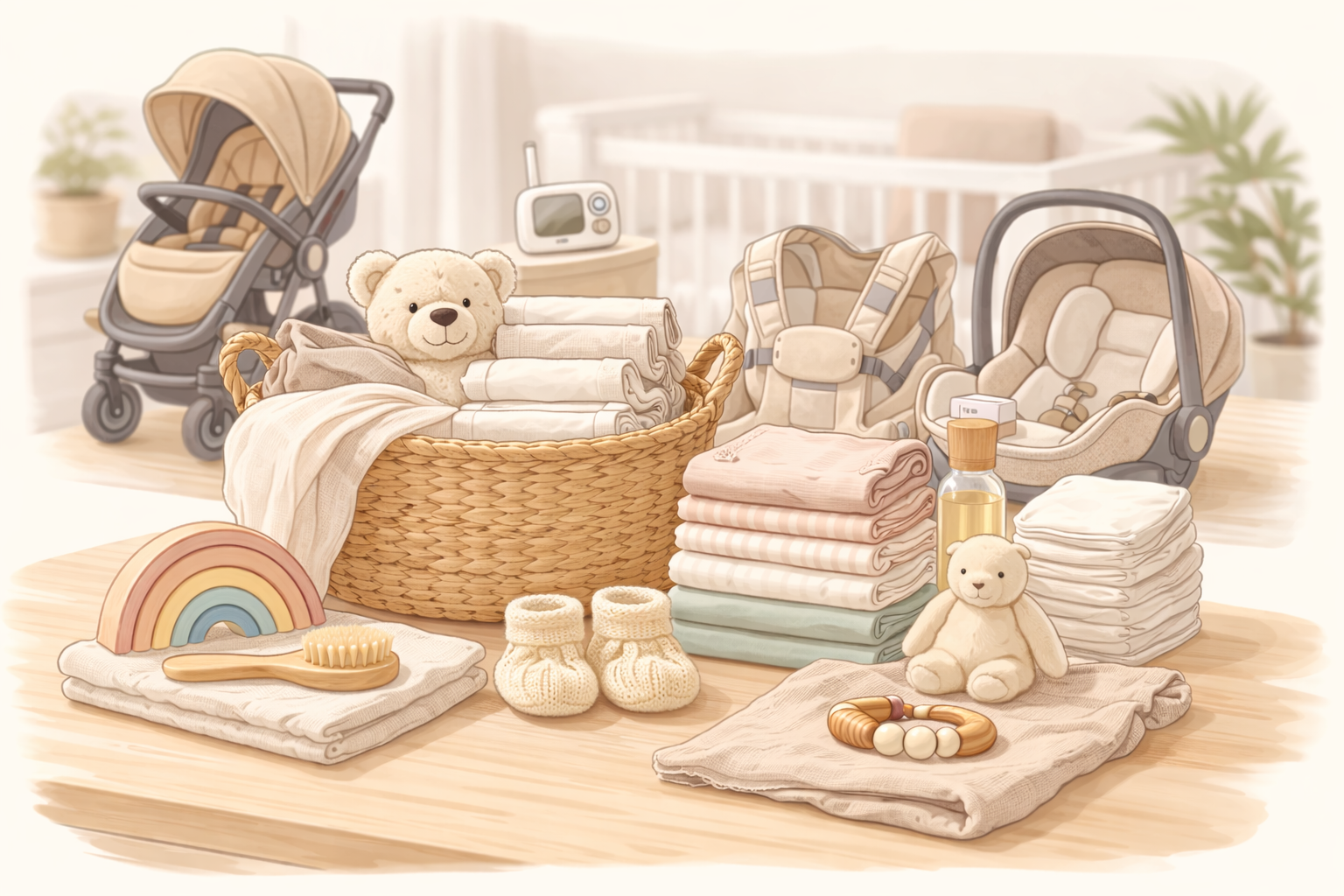
When you’re expecting a baby, budgeting rarely feels like a neat spreadsheet exercise.
It feels emotional.
You’re excited, a little nervous, and suddenly very aware that you’re responsible for this tiny human. Somewhere between antenatal appointments and late-night scrolling, it starts to feel like everything is essential — and if you don’t buy it now, you might regret it later.
If you’ve felt that way, you’re not alone. Most of us do.
What follows is an honest look at baby gear, money, and the quiet pressure parents carry — shaped more by experience than perfect planning.
Why Newborn Shopping Feels So Intense
The newborn phase is short, but the messaging around it is loud.
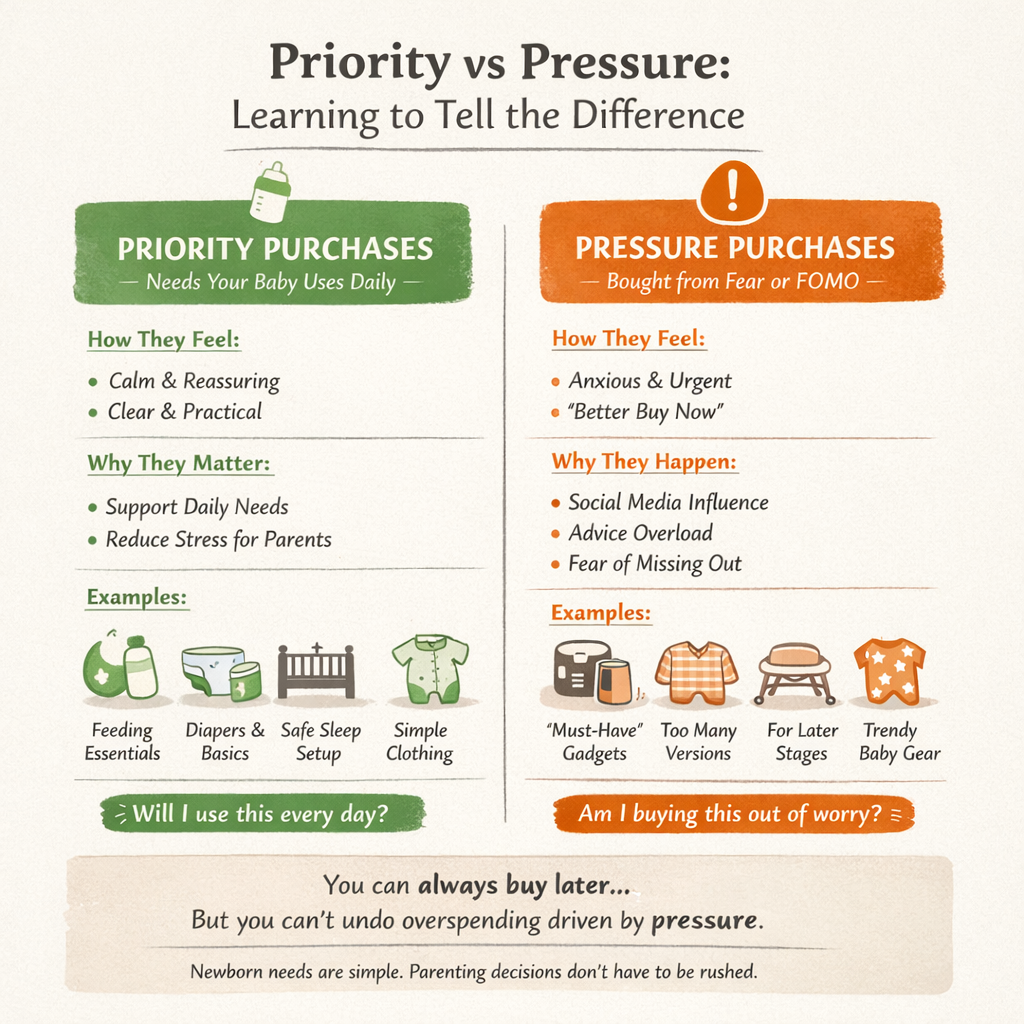
Every product claims to make life easier. Every reel has a must-have. Well-meaning friends and family add their own suggestions. And because you haven’t met your baby yet, it’s hard to know what will actually matter to you.
What often gets missed in all this noise is a simple truth:
Newborn needs are basic. Adult anxiety makes them complicated.
In the early weeks, your baby’s world revolves around feeding, sleeping, diaper changes, and being held. That’s it. Everything else is secondary.
Preferences Change. Needs Evolve.
What looks useful before birth doesn’t always stay useful after.
Babies grow fast. Faster than we expect. Clothes fit for weeks. Routines shift. Temperaments surprise us.
Many parents, myself included, have bought things early thinking we were being prepared — only to realise later that:
- some items were barely used
- some sizes didn’t last
- some products didn’t suit our lifestyle at all
Buying early isn’t wrong. But buying everything early often leads to regret. Waiting doesn’t mean you’re unprepared. Most of the time, it just means you’re giving yourself space to learn.
The Shift That Saves Money
Borrowing and Reusing Is Not Settling
There’s something deeply grounding about using baby items that have already been loved.
Hand-me-downs, borrowed gear, or gently used products don’t feel like a compromise once you’re in the thick of parenting. If anything, they remove pressure. You stop chasing perfection and start focusing on what works.
They also:
- save money
- reduce clutter
- make it easier to let go when your baby outgrows something
And no — your baby isn’t missing out. Babies don’t care about brand-new tags or trending products. They care about warmth, closeness, and familiarity. They care about you.
A More Realistic Way to Budget for a Newborn
Instead of trying to plan for every possible scenario, it helps to think in phases.
Cover the basics for the first few weeks. Leave room to adjust. Accept that some decisions will make more sense after your baby arrives.
Budgeting becomes easier when you respond to real needs instead of imagined ones. It also gives you confidence — the kind that comes from knowing you can figure things out as you go.
A Gentle Reminder Before You Scroll On
You’re not failing your baby by spending mindfully.
You’re not behind because you didn’t buy everything.
And you don’t need a house full of gear to be a good parent.
This phase is short. Babies grow. Needs change.
Over time, many parents find their own rhythm — baby gear comes in, gets used, and quietly moves on, often making parenting feel lighter rather than lacking.
No rush. No pressure.
Just one thoughtful decision at a time 🤍