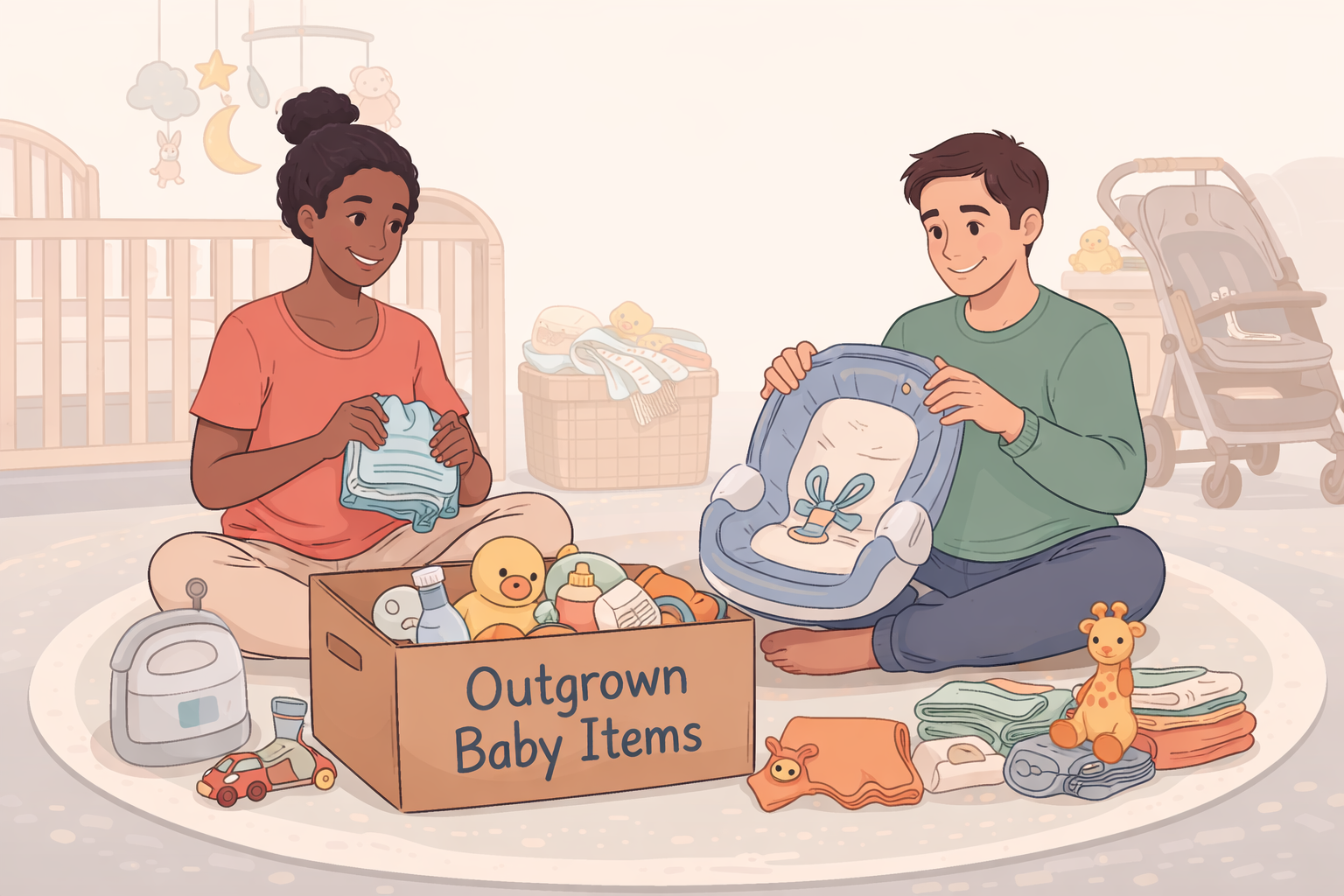
Parenthood rarely changes all at once. It shifts quietly, almost imperceptibly.
One day, a baby item is part of your daily rhythm — used without thought, sometimes several times a day. And then, without a clear decision or goodbye, it simply slips out of routine. Not because it failed, but because something changed.
We asked parents to reflect on these moments: how many baby items they stopped using within just a few months. — often without even realizing when it happened. What emerged was not just a list of products, but a shared experience of how quickly babyhood moves.
Why Some Baby Items Feel Essential in the Beginning
In the earliest weeks, baby items don’t feel optional. They feel like support systems.
Parents spoke about cradles, bassinets, baby nests, feeding pillows, breast pumps, swaddles, roll-ons, carriers, play gyms, and rattles — items that helped them meet very immediate needs. These products soothed newborns, supported feeding, encouraged sleep, or offered parents a moment of relief.
At that stage, usefulness isn’t measured in months or years. It’s measured in right now. If something helps a baby settle, sleep, or feed even a little better, it earns its place in daily life.
That’s why many parents described these items as “must-haves” — even when they later realised the phase they served was brief.
How the Shift Away From Daily Use Happens
What stood out across responses was how rarely parents made a conscious decision to stop using an item.
For many, the shift happened within the first few months — sometimes even within the newborn phase. As babies grew more alert, mobile, or expressive, certain items simply stopped working the way they once had.
Some parents noticed the change immediately. Others only realised weeks later, when they came across an item tucked away and thought, When did we stop using this?
There was rarely a final use or a clear transition. Instead, routines adjusted around the baby’s cues. A swaddle that once helped with sleep no longer felt necessary. A feeding setup became simpler. A piece of play equipment was quietly replaced by floor time and free movement.
When Nothing Replaces the Item
One of the most telling patterns was how often parents said that nothing replaced the item at all.
In some cases, babies simply didn’t need the support anymore. In others, parents found simpler alternatives — direct breastfeeding instead of pumping, pant-style diapers instead of taped ones, board books instead of cloth books.
Sometimes, the baby led the change entirely. As babies gained strength and independence, they resisted being contained or supported in the same ways. What once felt comforting began to feel restrictive.
The absence of replacement wasn’t a loss — it was a sign of growth.
The Emotions Tied to Letting Go
Stopping daily use of a baby item wasn’t just practical. It was emotional.
Some parents described feeling relieved, especially when an item had been bulky, expensive, or difficult to manage. Others felt a quiet sadness, recognising that the item was tied to memories of their baby’s earliest days.
A few parents expressed frustration — not at the item itself, but at how quickly something they invested in was outgrown.
What became clear was that even when an item is no longer needed, it still holds meaning. It represents a version of your baby that existed for only a short time.
What Happens to Baby Items After They’re Outgrown
Once an item slips out of daily use, parents are left with a decision — and often, indecision.
Some store items away “just in case.” Others pass them on to family or friends, sell or donate them, or repurpose parts creatively. And sometimes, items simply sit unused, occupying physical space and mental energy.
Several parents reflected on how quickly baby items move from essential to excess — and how difficult it can be to let go, even when you know you no longer need them.
What Parents Want New Parents to Understand
Across all responses, one shared realisation emerged: babyhood moves faster than we expect.
Parents encouraged new parents to start small, to avoid over-investing in items meant for short phases, and to borrow or buy preloved when possible. Not because baby items aren’t helpful — but because their usefulness is often intense and brief.
The advice wasn’t about doing less. It was about doing what helps now, without expecting it to last forever.
A Quiet Ending to Everyday Things
The end of using a baby item rarely announces itself.
It doesn’t come with a milestone or a memory you photograph. It happens between feeds, between naps, between ordinary days.
And noticing that something once so essential is no longer needed — even after the fact — is part of parenting too. Not every transition is dramatic. Some are simply quiet signs that your baby, and you, are moving forward.